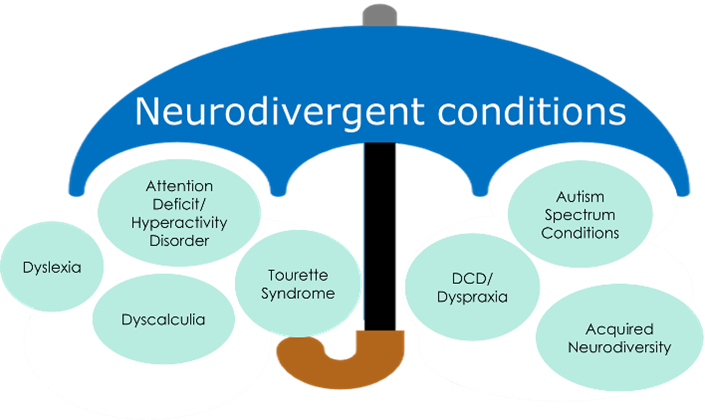
Neurodiversity (ND) often presents as challenges in areas such as planning and organization, time management, working memory, impulse control, emotional regulation, and task initiation or follow-through.
For those seeking an assessment, individuals can book directly with a clinic after conducting their own research. It is recommended to review insurance coverage and ask questions about the process, including who is involved and the purpose of each step. Assessments are typically conducted by a team that may include a psychologist, nurse practitioner and psychiatrist, using interviews and standardized testing tools.
The session highlighted that ND, particularly ADHD, can have significant impacts on employment and overall well-being when undiagnosed. However, many individuals benefit from a combination of supports, including medication, coaching and workplace accommodations. One practical example shared was providing verbal instructions in clear, written summaries.
Employees who identify as neurodiverse are encouraged to consider self-disclosure to access appropriate accommodations and to work closely with their manager to ensure supports are effective. Open communication is key - colleagues can support by asking about preferred ways of working and communicating.
A worksheet was shared during the session to help employees reflect on how they work best and support conversations with colleagues.
To learn more, about accommodations, read here.
A neurodiverse social and support group is also forming. Members interested in connecting with others are encouraged to reach out at [email protected].